A Brief Overview of Therapy Devices
Learn about commonly used therapy modalities, and which ones are beneficial to the body and ones that should be avoided.

Microcurrent Therapy
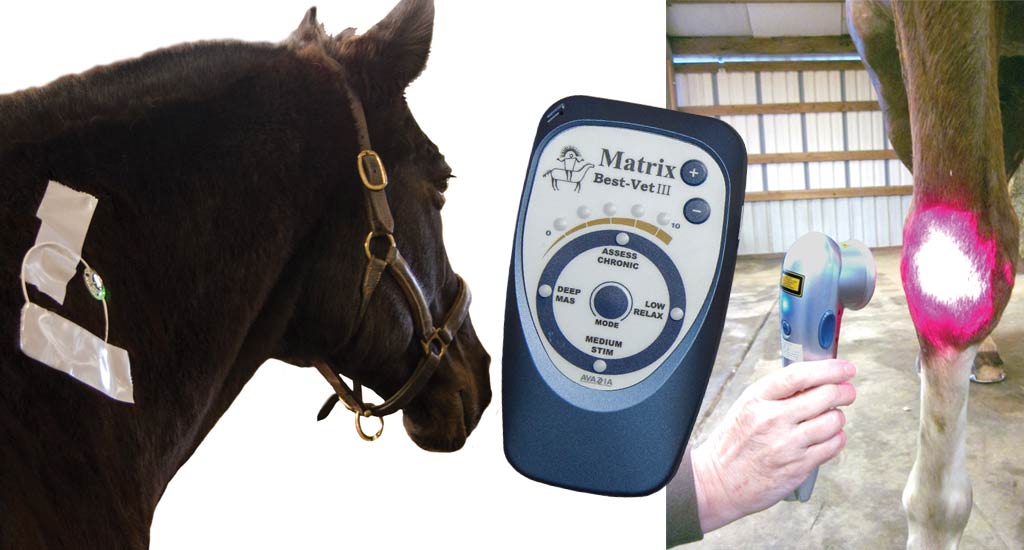
Learn about commonly used therapy modalities, and which ones are beneficial to the body and ones that should be avoided.

The work complied in the book The Body Electric, by Robert O. Becker M.D., is a compilation of thirty years of his work. Dr. Becker, an orthopedic surgeon turned researcher, experimented on salamander and frog regeneration and his work proved electricity triggered healing.
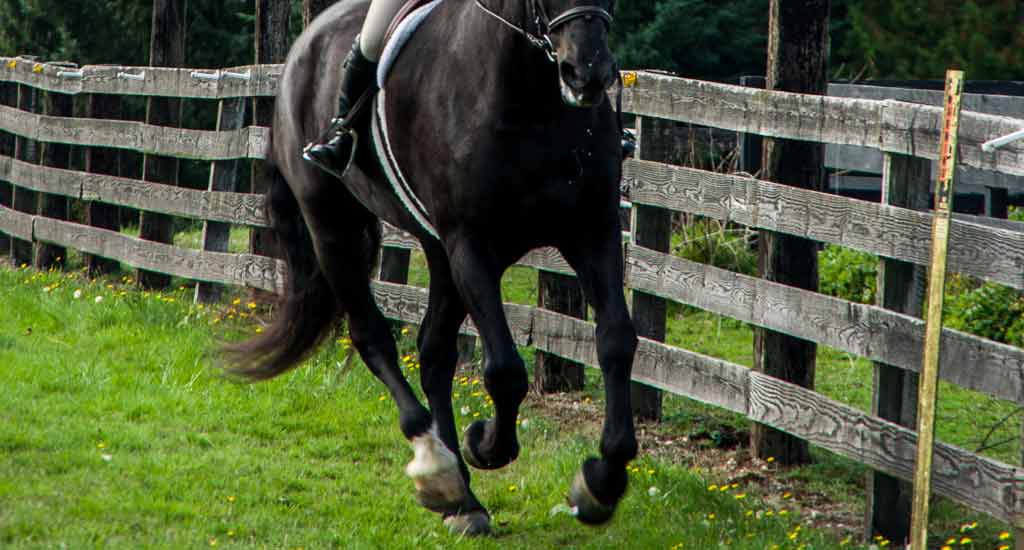
Healing Suspensory Ligament Injuries Using an Alternative Protocol of Microcurrent and Iontophoresis Many veterinarians suggest Shockwave therapy for treating horses’ suspensory ligament injuries. This is often paired with PRP (Platelet Rich Plasma). However, there are safe and effective alternative therapies available. Shockwave, originally called ESWL (Extracorporeal Shock Wave Lithotripsy), was developed to break up kidney […]
The History, The Science, and More on Microcurrent Article by Deborah Powell, written in 2002 Microcurrent therapy has been used on equines for twenty-plus years with thousands of horses treated with great success. Used for treating horses with conditions such as sore muscles, tendon and ligaments injuries, abscesses, laminitis, paralysis, confounding lameness problems, TMJ, and […]

Video introducing the Matrix Back Pad electrode.
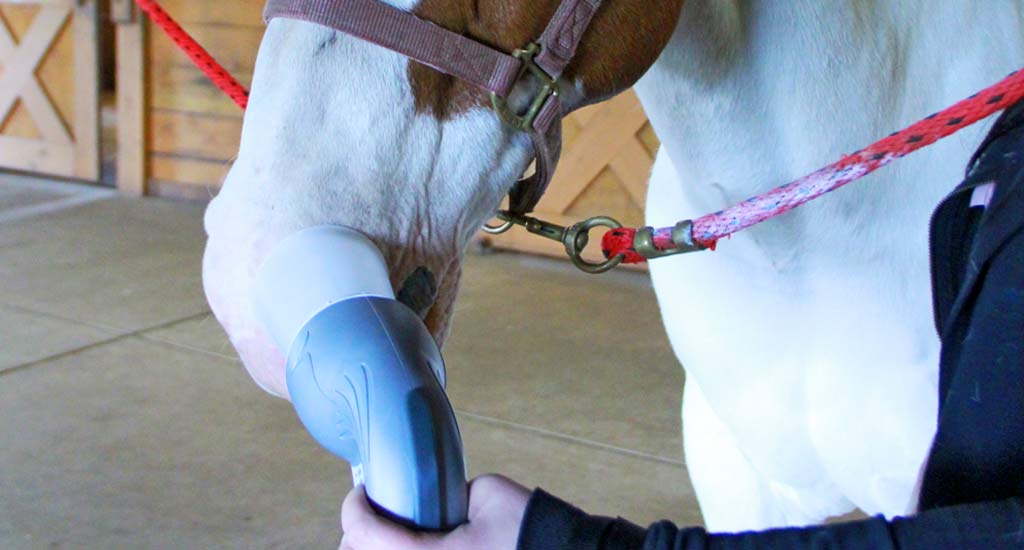
For horses that are bleeders or have COPD, we have several options to help you make the right therapy care choice for you and your horse. MicroCurrent Therapy The first method is using microcurrent therapy (MCT) and following the Lung Setup protocol, which is described in our Quick Guide: MicroCurrent for Bleeders by Deborah Powell. […]

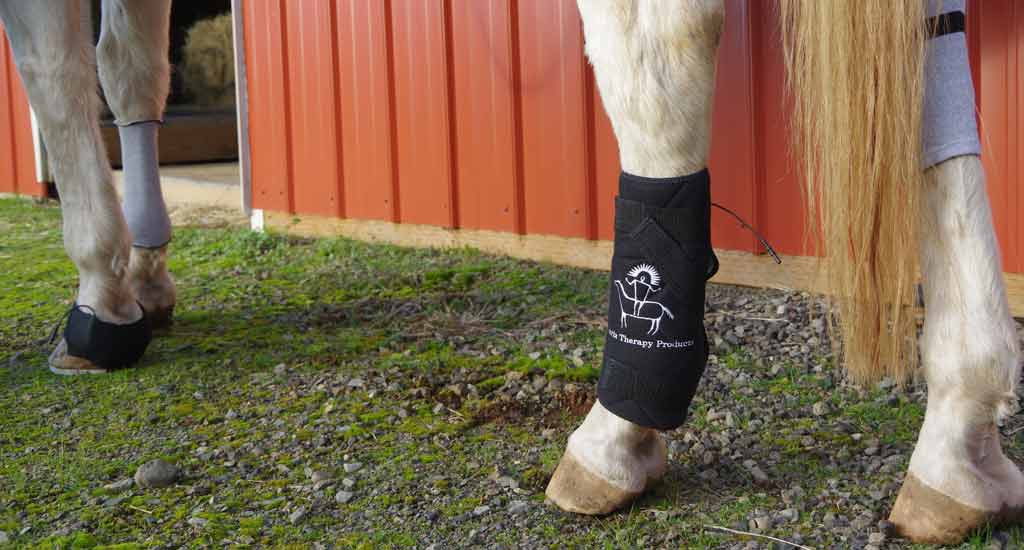
Video introducing the Matrix Leg Wraps custom electrode.
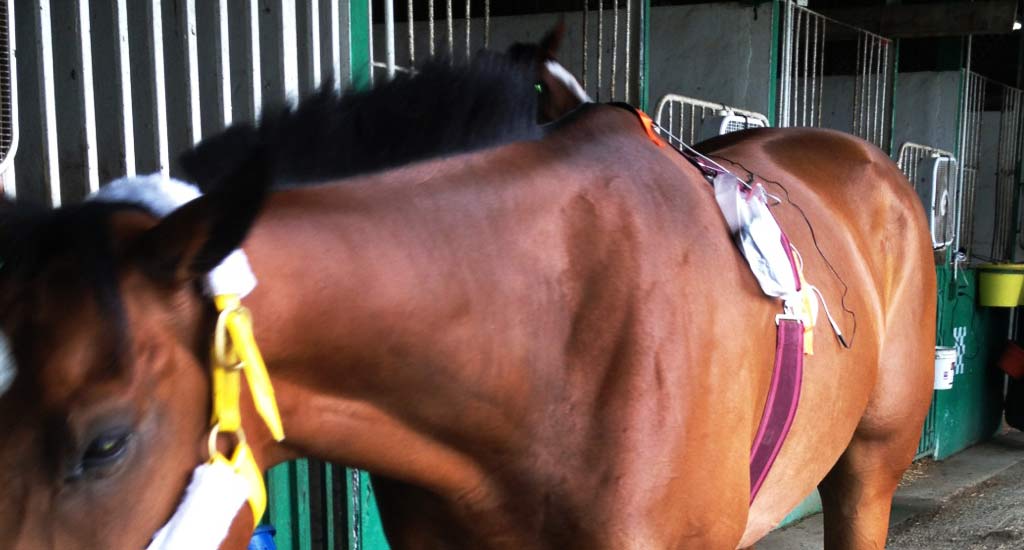
Interesting findings on thoroughbred race horses that received microcurrent treatments.
Video introducing the Matrix Best-Vet III microcurrent device.

MicroCurrent for Dogs is a step-by-step introduction and guide to using unique and effective therapies that can reduce a dog’s recovery time compared to standard veterinary practices. The goal of the book is to provide owners and practitioners with a resource for incorporating therapy tools into the health care of dogs.